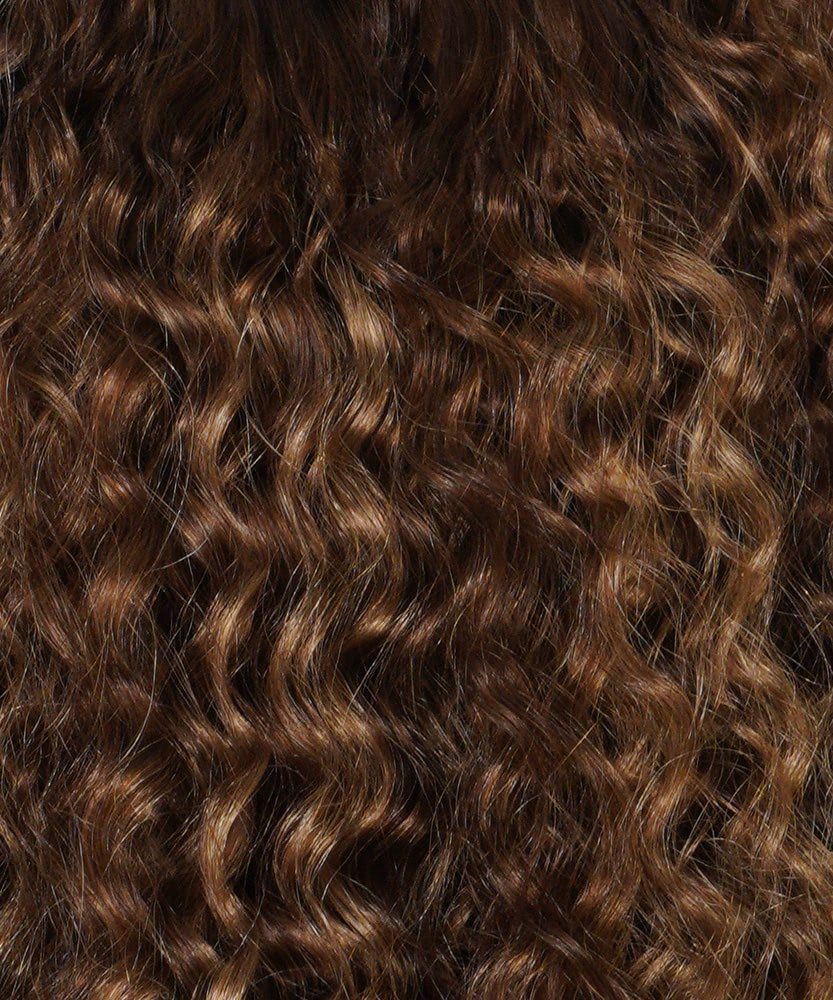
A lace front wig gives you the most natural-looking hairline while being more forgiving to care for than a full lace unit. The lace extends about 3 inches back from your hairline, with the rest constructed of a more durable cap material.
Understanding the Construction
Your lace front wig has two distinct areas requiring different care approaches. The front 3 inches feature delicate hand-knotted lace that creates an invisible hairline. The back portion has machine-made wefts on a sturdier cap. This combination gives you a natural look where it matters most while making overall care more manageable.
Washing
Wash your wig every 10-15 wears. If you use styling products heavily or live in a humid climate, you may need to wash more frequently. Before washing, gently detangle the hair starting from the ends and working up, being extra careful when you reach the lace area.
Fill a basin with cool to lukewarm water and add a small amount of sulfate-free shampoo. Submerge the wig and let it soak for 5 minutes. Gently swish the hair in a root-to-tip direction - never scrub, twist, or bunch the hair together. Pay attention to the cap interior too, gently rubbing to remove any sweat or oil buildup.
Rinse under cool running water until completely clear. Apply conditioner from mid-lengths to ends, keeping it away from the lace and the cap itself. Leave on for 5-10 minutes, then rinse thoroughly.
Drying
Gently squeeze excess water from the hair - never wring or twist. Blot with a clean towel, then place on a wig stand to air dry completely. A proper stand allows air to circulate through the cap, which is important for drying the lace thoroughly. Allow 4-8 hours for complete drying depending on hair length and density.
If you need to speed up drying, you can use a blow dryer on the cool or lowest heat setting. Keep it moving and don't focus on any one area.
Caring for the Lace Front
The lace is the most delicate part of your wig and needs special attention. After wearing, check for any adhesive residue. If you use lace glue, apply a specialized remover with a cotton swab, let it sit for a few minutes, then gently wipe away. For stubborn residue, a soft toothbrush with gentle pressure can help. Never pick or peel at the lace.
Store your wig properly to protect the lace. A wig stand keeps the front from getting crushed. If traveling, use a hard-sided case or stuff the cap with tissue paper to maintain its shape.
If the knots at your hairline start becoming visible (they may appear as small dots along the edge), you may need to re-bleach them. This is a delicate chemical process - if you're not experienced, have a professional do it or consult detailed tutorials before attempting.
Detangling
Always use a wide-tooth comb or wig-specific brush. Regular brushes can catch on the lace knots and pull hair out. Start at the ends and work up in small sections. When you reach the lace area, be extremely gentle - the hairs are individually knotted and can be pulled out if you brush too roughly.
Brush your wig before and after wearing, and before washing. Never brush when soaking wet - wait until it's at least 80% dry.
Heat Styling
Your lace front wig can be styled with hot tools just like your natural hair. Use heat protectant before styling, and keep temperatures between 300-350 degrees. When using hot tools near the front, be careful not to touch the lace itself - high heat can melt or warp the delicate material. Keep your flat iron or curling iron at least half an inch above the lace edge.
Customizing Your Wig
Many wearers customize their lace front for the most natural look. You can cut the excess lace along your hairline - leave about an eighth of an inch and cut in a natural, slightly irregular pattern rather than a straight line. You can also pluck the hairline slightly to reduce density and create a more realistic appearance. Always do these customizations on dry hair, and take your time - you can always remove more, but you can't put it back.
Securing Your Wig
There are several ways to secure a lace front wig: elastic bands and combs built into the cap, lace glue for the most secure hold, lace tape for a less permanent option, or a wig grip band worn underneath.
If you're using adhesive, apply a thin layer only where the lace meets your skin - too much glue creates visible bumps and is harder to remove. Let the glue get tacky before pressing the lace down, and hold for 30 seconds to secure.
Long-Term Care
Human hair wigs can become dry over time since they don't receive natural scalp oils. Once a month, give your wig a deep conditioning treatment. Apply a generous amount of deep conditioner to damp hair (avoiding the cap and lace), cover with a plastic cap, and leave for 20-30 minutes. Rinse thoroughly with cool water.
Between washes, a light spray of wig-specific shine serum or a tiny drop of argan oil on the ends can refresh the appearance. Avoid applying products near the lace or cap.